Localised Fat: Why Some Areas Won't Budge No Matter What You Do
You eat well. You exercise regularly. You're at a healthy weight. But there's still that one area, maybe under the chin, maybe along the jawline, maybe somewhere else, where fat just sits there, refusing to move. It's frustrating, and it can feel like you're doing something wrong. But the truth is, you're not. That's just how fat works.
What Is Localised Fat?
Localised fat refers to pockets of fat that accumulate in specific areas of the body and resist reduction through diet and exercise. Unlike general body fat that fluctuates with weight changes, localised fat tends to stay put because of where it's stored and how it behaves.
Everyone's body stores fat differently. Some people carry it in their thighs. Others carry it in their abdomen. And some carry it in the face and neck area, particularly under the chin (the submental region) or along the jawline.
Why Won't It Go Away with Diet and Exercise?
When you lose weight, your body draws on fat stores from all over, but it doesn't do so evenly. Certain areas are metabolically less active, meaning the fat cells there are slower to release their contents and shrink. These tend to be the areas people refer to as "stubborn."
Genetics play a major role in determining which areas are resistant. If your family members carry fullness under the chin or along the jaw, there's a good chance you will too, regardless of your fitness level.
Hormones, age, and sex also influence fat distribution. As you age, fat tends to redistribute, often moving away from areas where you want it (like the cheeks) and settling in areas where you don't (like under the chin).
The bottom line is that you can't spot-reduce fat through exercise. Doing chin exercises or targeted workouts won't selectively burn fat from one specific area. Your body doesn't work that way.
Where Does Localised Fat Commonly Appear?
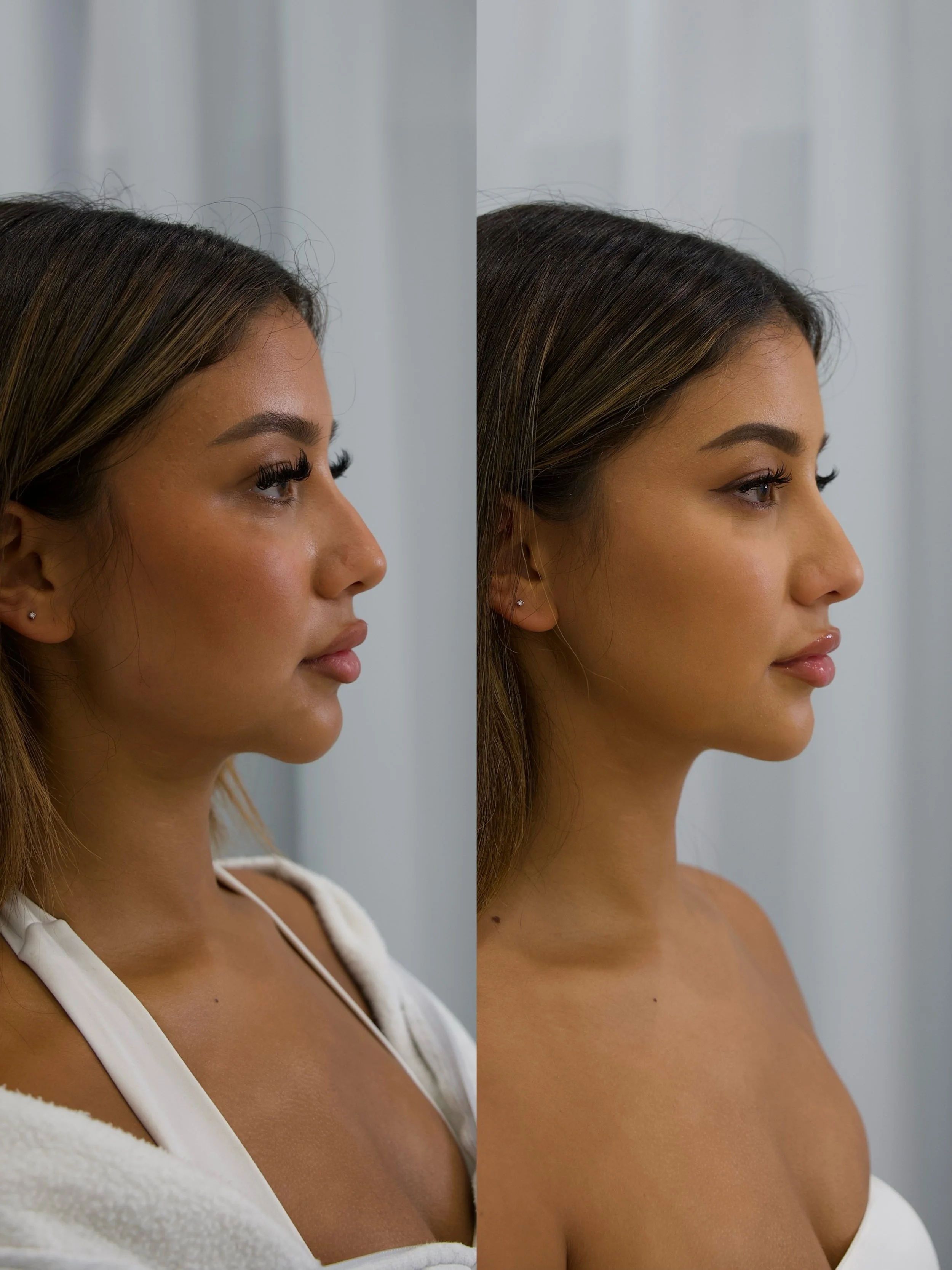
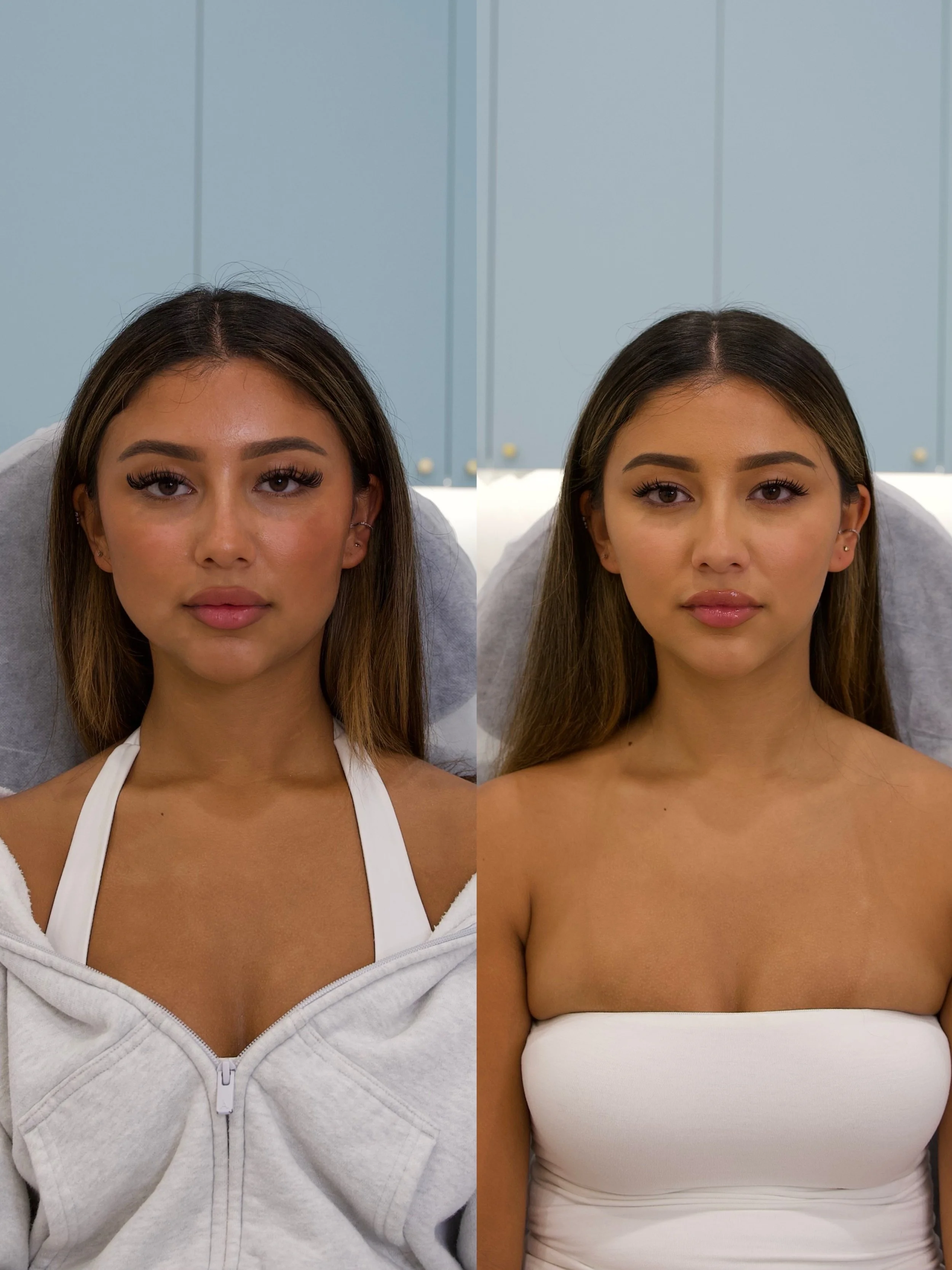
In the face and neck, the most common area of concern is under the chin. This is the area that creates the appearance of a "double chin," even in people who are otherwise slim. It's one of the most frequently treated areas in aesthetic medicine for exactly this reason.
Fullness along the jawline, sometimes called "jowling," can also be related to localised fat deposits, though it's often a combination of fat, skin laxity, and volume changes elsewhere in the face.
What Are the Treatment Options?
There are non-surgical treatments that specifically target localised fat in small areas like the submental region. These work by breaking down fat cells, which the body then processes and removes naturally over time.
Results are gradual. Most people need more than one session, and the full effect becomes visible over several weeks to months as the treated fat cells are cleared. But the change can be significant, particularly for people who've been struggling with a pocket of fat that no amount of clean eating or cardio has been able to shift.
It's worth noting that these treatments work best on fat, not skin laxity. If the concern is more about loose or sagging skin rather than excess fat, a different approach may be needed. A practitioner can assess the area during a consultation and determine what's driving the fullness before recommending a treatment plan.
The Takeaway
Localised fat isn't a sign of poor health or lack of effort. It's a normal part of how the body stores and distributes fat, driven largely by genetics and hormones. If it bothers you and lifestyle changes haven't made a difference, it's worth knowing that targeted treatment options exist.
A consultation with a qualified practitioner is the best way to understand what's going on and whether treatment is appropriate for your situation.
This content is intended for educational purposes and does not constitute medical advice or a recommendation for treatment. Only licensed healthcare providers should perform injectable procedures.