
What Is IV Therapy and Who Is It For?
IV therapy has gone from something you only saw in hospitals to something offered in wellness clinics, medical aesthetic practices, and even mobile services. But with all the hype, it can be hard to separate what's genuinely useful from what's just marketing.
Here's a grounded look at what IV therapy actually is, how it works, and who might benefit from it.
What Is IV Therapy?
IV stands for intravenous, meaning "into the vein." IV therapy delivers fluids, vitamins, minerals, and other nutrients directly into the bloodstream through a small catheter, usually placed in the arm.
The key advantage over taking supplements orally is absorption. When you swallow a vitamin tablet, it passes through the digestive system, where a significant portion of the nutrients can be lost before they reach the bloodstream. With IV delivery, the nutrients bypass the gut entirely and go straight into circulation, which means near-complete absorption.
A typical session takes anywhere from 30 minutes to an hour, depending on the formulation and volume being administered.
What's in an IV Drip?
The contents of an IV drip vary depending on the purpose of the treatment. Common ingredients include saline solution for hydration, B vitamins for energy and metabolism, vitamin C for immune support and antioxidant protection, magnesium for muscle function and relaxation, zinc for immune health, and amino acids for recovery and cellular repair.
Different clinics offer different formulations, and some will tailor the blend to your specific needs based on a consultation or blood work.
Who Is It For?
IV therapy isn't a magic cure-all, but there are situations where it can be genuinely helpful.
People who are dehydrated, whether from illness, travel, intense exercise, or simply not drinking enough water, often feel the effects of IV hydration quickly. It's one of the most straightforward applications of the treatment.
People recovering from illness or fatigue may benefit from a targeted nutrient boost, particularly if their body has been under stress and their nutrient stores are depleted.
Athletes and people with physically demanding lifestyles sometimes use IV therapy to support recovery after intense training or competition, replenishing electrolytes and supporting muscle repair.
People with absorption issues, such as those with certain gut conditions that limit how well they absorb nutrients from food, may find IV therapy helpful as a way to ensure adequate nutrient intake.
And then there are people who are generally well but want to support their overall energy, immunity, or skin health. While the evidence for IV therapy as a wellness boost in otherwise healthy people is still developing, many individuals report noticeable improvements in how they feel after a session.
What It Won't Do
IV therapy is not a substitute for a healthy diet, adequate sleep, regular exercise, or medical treatment for underlying health conditions. It's a supplement, not a replacement. Anyone claiming it can cure disease or reverse serious health problems is overstating what the evidence supports.
It's also not without risk. As with any procedure that involves a needle and access to the bloodstream, there's a small risk of infection, bruising, or vein irritation. That's why it should always be administered by a qualified healthcare professional in a clean, clinical setting.
What to Expect During a Session
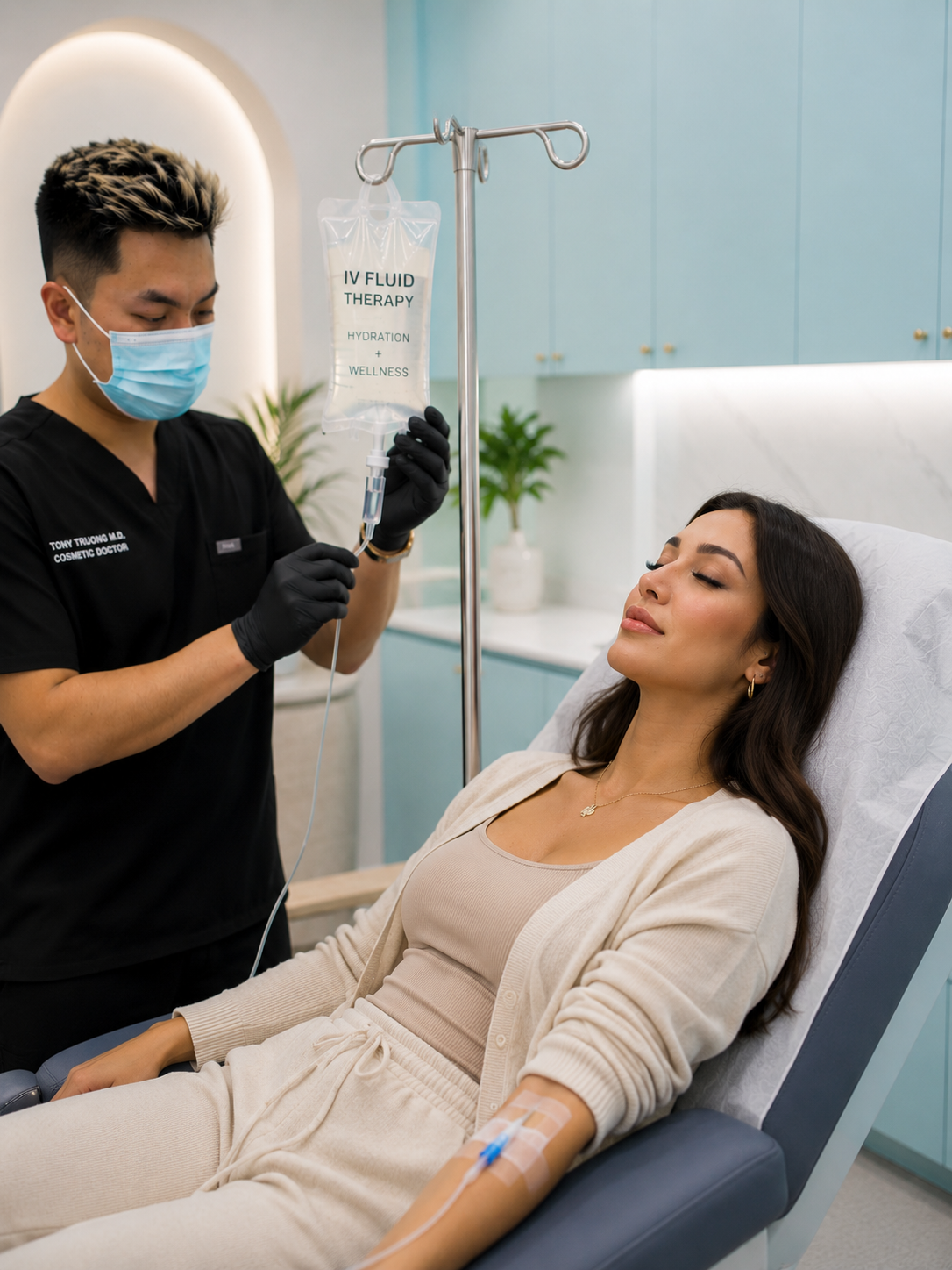
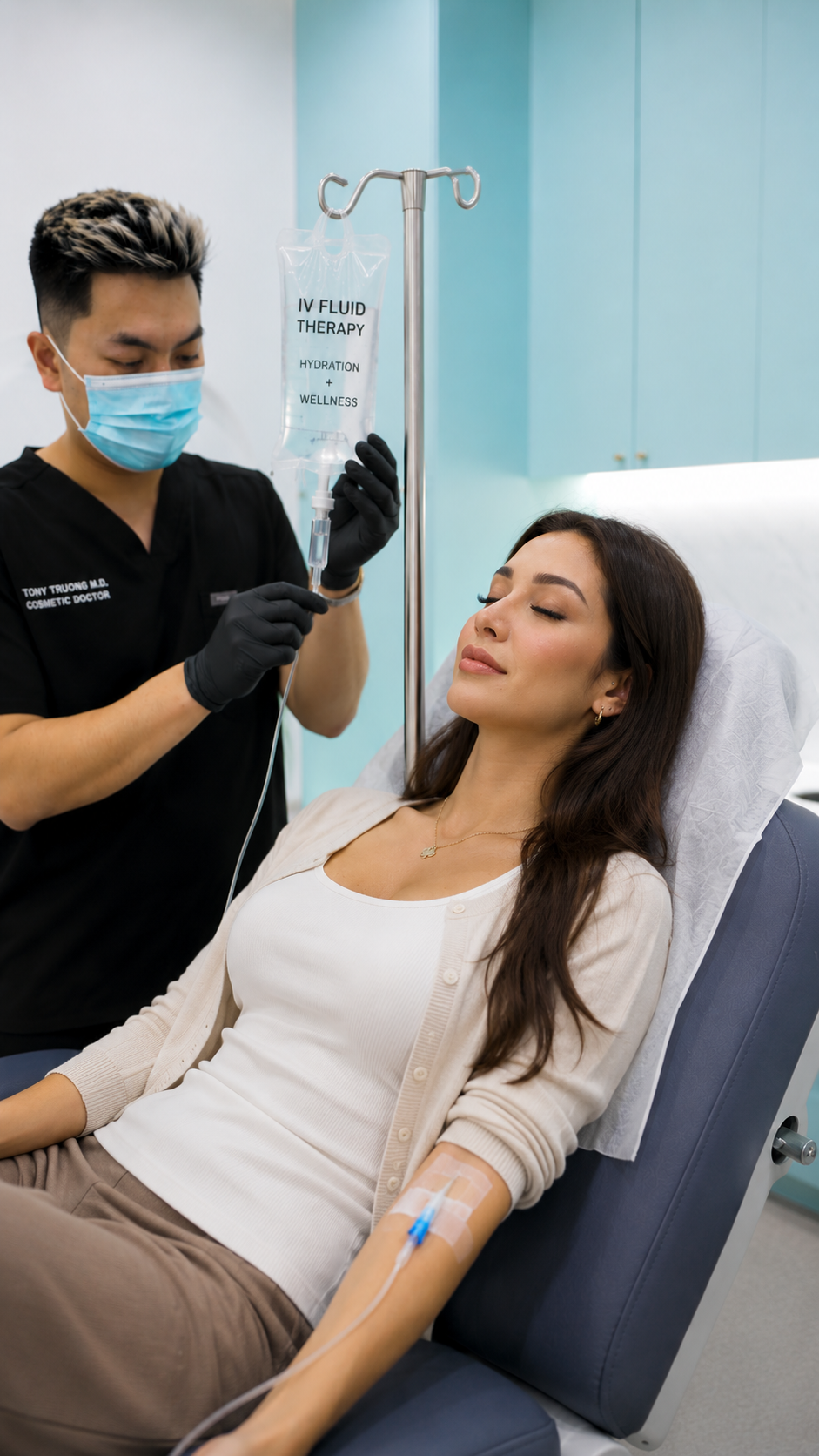
The process is simple. A healthcare professional will insert a small catheter into a vein in your arm, attach the IV line, and you'll sit comfortably while the drip runs. Most people read, scroll their phone, or just relax.
You may feel the effects during or shortly after the session, particularly if hydration is a key component. Some people notice improved energy and mental clarity within hours. Others find the benefits build over time with regular sessions.
A consultation beforehand is always recommended so the practitioner can understand your health history, current concerns, and goals, and recommend the most appropriate formulation for you.
This content is intended for educational purposes and does not constitute medical advice or a recommendation for treatment. Only licensed healthcare providers should perform injectable procedures.
