Why Do Lips Thin as You Age? Understanding Volume Loss in the Lips
If you've noticed that your lips don't look as full as they used to, you're not imagining things. Lip volume loss is a normal part of ageing, and it happens to virtually everyone. But understanding why it happens can help you make more informed decisions about whether (and how) you want to address it.
What Causes Lips to Thin Over Time?
Several things are going on at once as you age, and they all affect the lips.
Collagen production slows down. Collagen is the protein that gives skin its structure and firmness. From your mid-20s onwards, your body produces less of it each year. Because the lips are made up of very thin, delicate skin with minimal fat underneath, they're one of the first areas where this loss becomes visible.
The skin loses elasticity. Elastin, the protein that allows skin to snap back into place, also declines with age. This means the lip tissue becomes less supple and less able to hold its shape.
Fat pads in the face shrink. The face has natural fat pads that provide volume and support. As these diminish over time, the areas around the mouth can flatten, which makes the lips look thinner by comparison even if the lips themselves haven't changed dramatically.
Bone resorption occurs. The bones of the face, including the jaw and the area around the mouth, gradually lose density as you age. This reduces the structural support underneath the lips, contributing to a flatter, less projected appearance.
Repetitive muscle movement plays a role. Every time you speak, eat, drink, or make a facial expression, the muscles around the mouth are working. Over decades, this repetitive motion contributes to the development of fine lines around the lip border and a gradual loss of definition.
What Speeds It Up?
Some factors accelerate lip volume loss beyond normal ageing.
Sun exposure is a big one. UV damage breaks down collagen and elastin faster than they would decline on their own. If you've spent years in the sun without protecting the lower face, you'll likely notice the effects around the mouth sooner.
Smoking is another major accelerator. The combination of repeated pursing motions and reduced blood flow to the skin causes premature thinning and wrinkling of the lips. It's one of the most reliable predictors of early volume loss in this area.
Dehydration, poor nutrition, and genetics also play a role, though their impact tends to be less dramatic than sun exposure and smoking.
Can You Prevent It?
You can't stop lip volume loss entirely, but you can slow it down. Wearing SPF on your lips daily (there are lip balms with built-in sun protection), staying hydrated, not smoking, and maintaining a diet rich in antioxidants and healthy fats all support the skin's ability to hold onto collagen for longer.
Skincare products containing ingredients like peptides and retinoids can also support collagen maintenance in the skin around the mouth, though their effect on the lips themselves is limited.
What Are the Treatment Options?
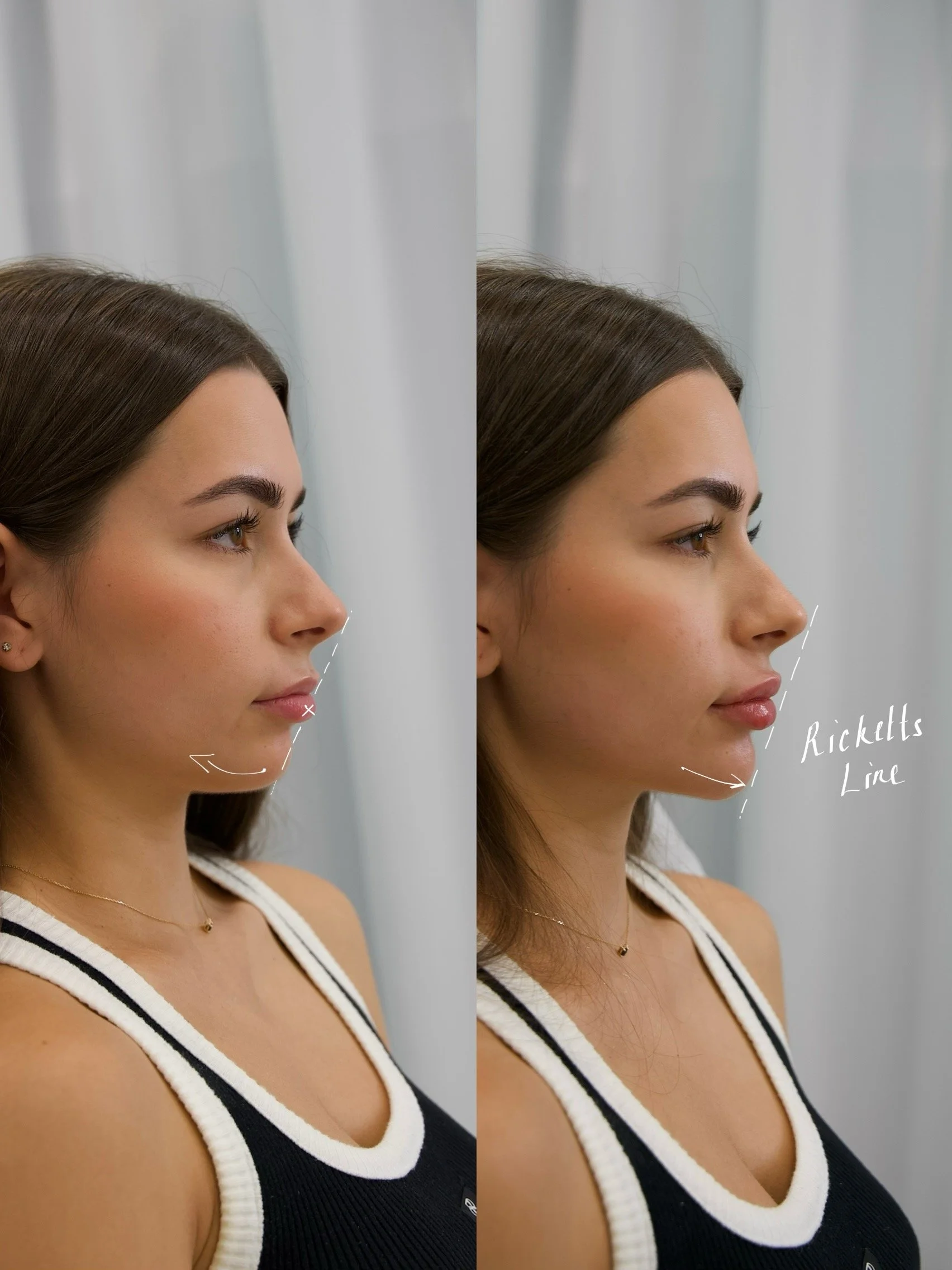
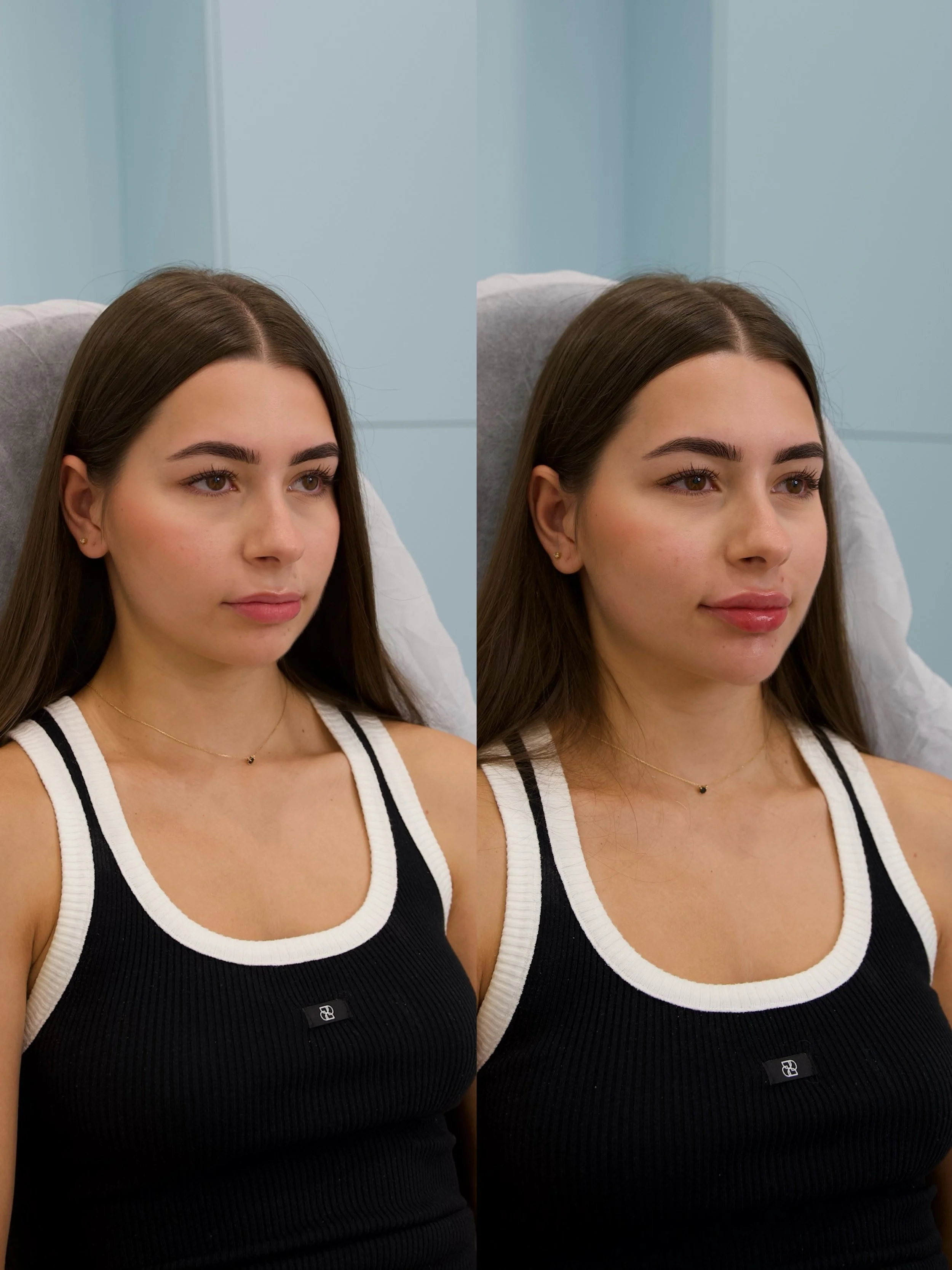
For lips that have already lost volume, non-surgical lip enhancement is one of the most common treatments. It can restore fullness, improve hydration, redefine the lip border, and smooth out fine lines around the mouth.
The treatment is temporary, with results typically lasting between 6 and 12 months, which means you can try it without a permanent commitment. A good practitioner will take a conservative, gradual approach, especially for patients whose primary concern is age-related volume loss rather than cosmetic augmentation.
A consultation is the best starting point. Your practitioner can assess the degree of volume loss, discuss your goals, and recommend a treatment plan that suits your face and your preferences.
This content is intended for educational purposes and does not constitute medical advice or a recommendation for treatment. Only licensed healthcare providers should perform injectable procedures.