
Prejuvenation: Why More People in Their 20s and 30s Are Getting Cosmetic Treatments
Walk into any cosmetic clinic in Australia today and you will notice something different from ten years ago. The patients are younger. Not dramatically younger, but a growing number of people in their mid-20s to mid-30s are seeking cosmetic treatments, not to reverse ageing, but to get ahead of it.
The approach is called prejuvenation, and it is one of the biggest shifts in aesthetic medicine right now.
What Is Prejuvenation?
Prejuvenation is the practice of using cosmetic treatments preventatively, before visible signs of ageing have fully set in, rather than waiting until lines, volume loss, or skin changes are well established and then trying to correct them.
The logic is straightforward. It is easier to maintain skin quality and facial structure than it is to restore them once they have significantly deteriorated. By starting earlier with lighter, less invasive treatments, you can slow the progression of ageing and reduce the need for more intensive interventions later.
Why Is It Becoming So Popular?
A few things are driving the trend. Social media and high-definition cameras have made people more aware of their appearance at a younger age. Video calls, selfies, and front-facing cameras mean people are seeing their face more frequently and in more detail than any previous generation.
There is also a cultural shift happening. Cosmetic treatments are no longer seen as something you only do when you are older. The stigma has faded, particularly among millennials and Gen Z, who tend to view aesthetic treatments the same way they view skincare or fitness, as part of a broader approach to looking after yourself.
And the treatments themselves have evolved. Non-surgical options are quicker, more subtle, and more accessible than ever. You do not need surgery or significant downtime to make a meaningful difference to how your skin ages.
What Does Prejuvenation Actually Involve?
Prejuvenation is not about doing a lot at a young age. It is about doing the right things at the right time. The specific treatments depend on your skin, your concerns, and your goals, but common approaches include skin quality treatments that stimulate collagen production and improve texture, hydration, and tone from within. These work by encouraging the skin to repair and regenerate itself, building resilience before damage becomes visible.
Targeted muscle-relaxing treatments can be used in areas where repetitive expression is starting to create lines, such as the forehead, between the brows, and around the eyes. Starting early means the lines are treated before they become etched into the skin at rest.
Sun protection and professional skincare are the foundation of any prejuvenation plan. No cosmetic treatment can outperform consistent daily SPF and a well-formulated skincare routine.
In some cases, subtle volume support in areas that are beginning to lose structure, such as the cheeks or under-eyes, can help maintain facial proportions before more significant changes occur.
Is It Right for Everyone?
Prejuvenation is not about treating problems that do not exist. A responsible practitioner will never recommend treatment for a 25-year-old who does not need it. The approach works best for people who are starting to notice early changes in their skin, such as fine lines forming during expression, dullness, or subtle loss of firmness, and want to address those changes before they progress.
If you are in your 20s or early 30s and your skin is in good condition with no visible concerns, the best thing you can do is invest in sun protection, a solid skincare routine, and healthy lifestyle habits. Prejuvenation does not mean starting cosmetic treatments as early as possible. It means starting them at the right time for you.

The Takeaway
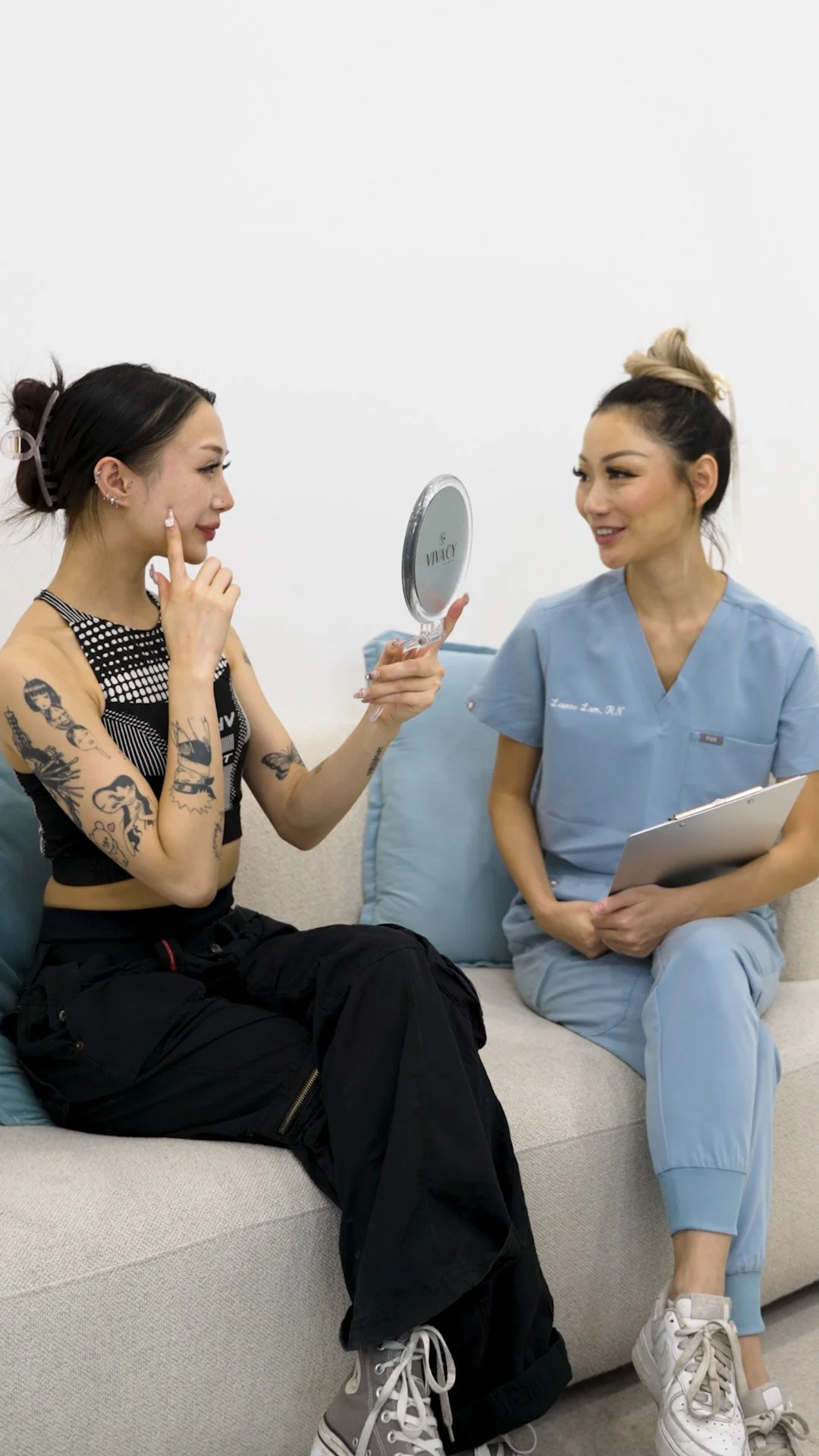
The goal of prejuvenation is not to look different. It is to look like yourself for longer. By maintaining skin quality and facial structure early, you reduce the need for corrective treatments later. It is a proactive, long-term approach to ageing well, and it is why more young Australians are having conversations with cosmetic practitioners earlier than ever before.
This content is intended for educational purposes and does not constitute medical advice or a recommendation for treatment. Only licensed healthcare providers should perform injectable procedures.
