
Help! I Have a Drooping Eyelid After My Wrinkle Treatment: What Can I Do?
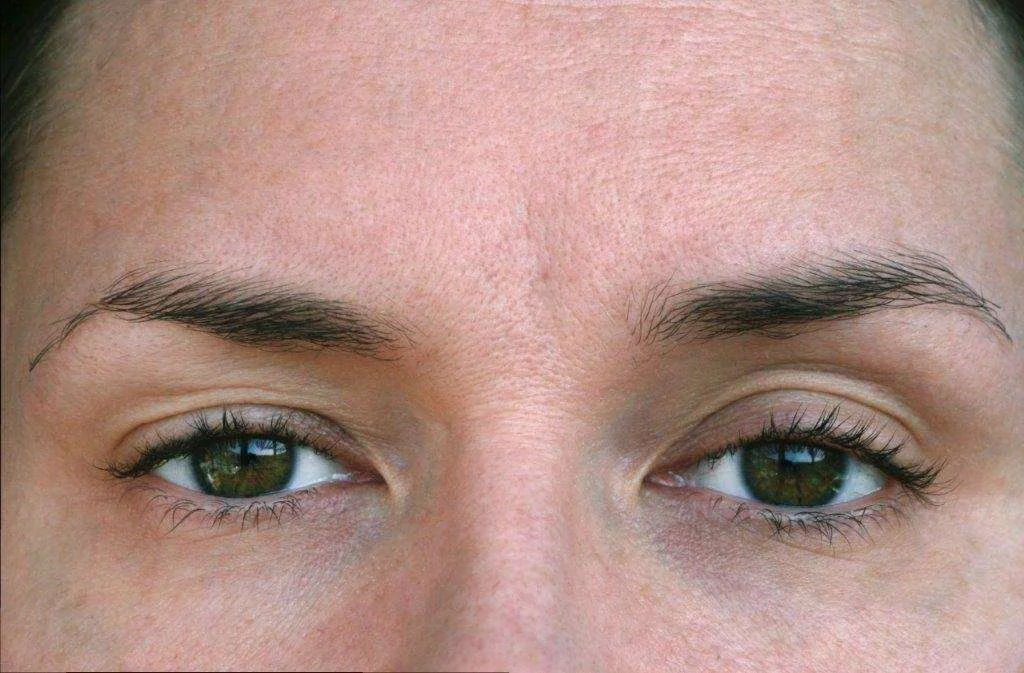
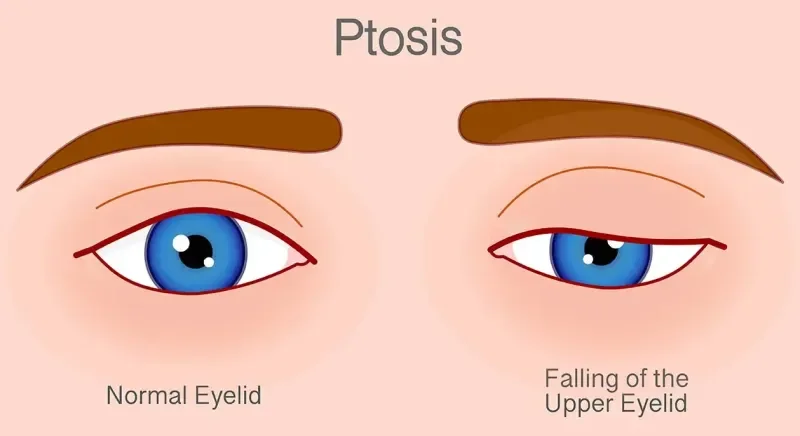
Noticing that one of your eyelids is sitting lower than the other after a wrinkle reduction treatment can be a distressing experience. In clinical terms, this is known as eyelid ptosis.
While this is a rare side effect, it is important to know that it is temporary and can be managed effectively with the right medical intervention. Below is a guide to why ptosis occurs and how it is managed in a clinical setting.
Why Does Eyelid Ptosis Happen?
Eyelid ptosis occurs when the product used for wrinkle reduction unintentionally migrates or diffuses into the levator palpebrae superioris, which is the primary muscle responsible for lifting the upper eyelid.
This usually happens if the product moves away from the intended injection site in the frown or forehead area. When this muscle becomes temporarily relaxed, the eyelid can no longer open as wide as usual, leading to a "heavy" or drooping appearance.
Managing the Droop: The Role of Eye Drops
The most effective clinical way to manage a drooping eyelid is through the use of specific medicated eye drops.
How It Works: The Müller’s Muscle Stimulus
While the main lifting muscle (the levator) is temporarily out of action, the eye has a "backup" muscle called Müller’s muscle (or the superior tarsal muscle). This is a smooth muscle that is controlled by the sympathetic nervous system.
Eye drops is an alpha-2 adrenergic agonist. When these drops are applied, they stimulate the receptors in Müller’s muscle, causing it to contract. This contraction provides a mechanical lift to the eyelid, typically raising it by 1 to 2 millimetres. This is often enough to restore symmetry and improve both the appearance and the field of vision.
Dosage and Pharmacological Effects
The Lift: You will typically see an improvement within 20 to 30 minutes of application.
Frequency: The standard clinical dosage is 1 to 2 drops, administered 3 times per day.
Duration: The effects of each dose usually last for 6 to 8 hours.
Timeline: These drops are used as a bridge. While they manage the symptoms, the underlying ptosis will naturally resolve as the wrinkle reduction product wears off, which usually takes between 4 and 8 weeks.
The Importance of a Doctor-Led Assessment
It is vital to understand that these eye drops are prescription-only medication. It is not available over the counter and must be prescribed by a qualified medical professional.
Because it is a medical product, a doctor must first assess your suitability. For example, individuals with a history of certain types of glaucoma or cardiovascular conditions may need a different management path.
The TT Aesthetics Advantage
At TT Aesthetics, we understand that if you are experiencing a side effect, you want a solution immediately. This is why having a doctor on-site is essential.
If you notice a drooping eyelid after a treatment, you do not have to wait days for a GP appointment or visit an external specialist. Our doctor can conduct an immediate clinical assessment and, if appropriate, provide a prescription for eye drops on the spot. This ensures that no time is wasted and you can begin managing the condition right away.
When to Contact Your Practitioner
If you notice any change in your eyelid position or your vision in the days following a treatment, contact your clinic immediately. Most cases of ptosis appear between 2 and 10 days after the injections. Early intervention with a medical professional is the best way to ensure your comfort and peace of mind.
Note: This information is for educational purposes only and does not constitute medical advice. Eyelid ptosis is a medical condition that requires a private, one on one assessment by a healthcare professional. All medical procedures carry risks which will be discussed during your consultation.
References
Sharma, M., et al. (2024). Secondary Masseter Hypertrophy and Occlusal Imbalance: A Clinical Review of TMJD and Facial Asymmetry. Journal of Oral Health and Aesthetic Management.
Wu, Y., et al. (2023). Botulinum Toxin Type A for the Treatment of Masseter Muscle Prominence in Asian Populations. Aesthetic Surgery Journal Open Forum.
Jane, I., et al. (2025). Eyelid ptosis following neurotoxin injection treated with apraclonidine 0.5% drops. World Journal of Advanced Research and Reviews.
