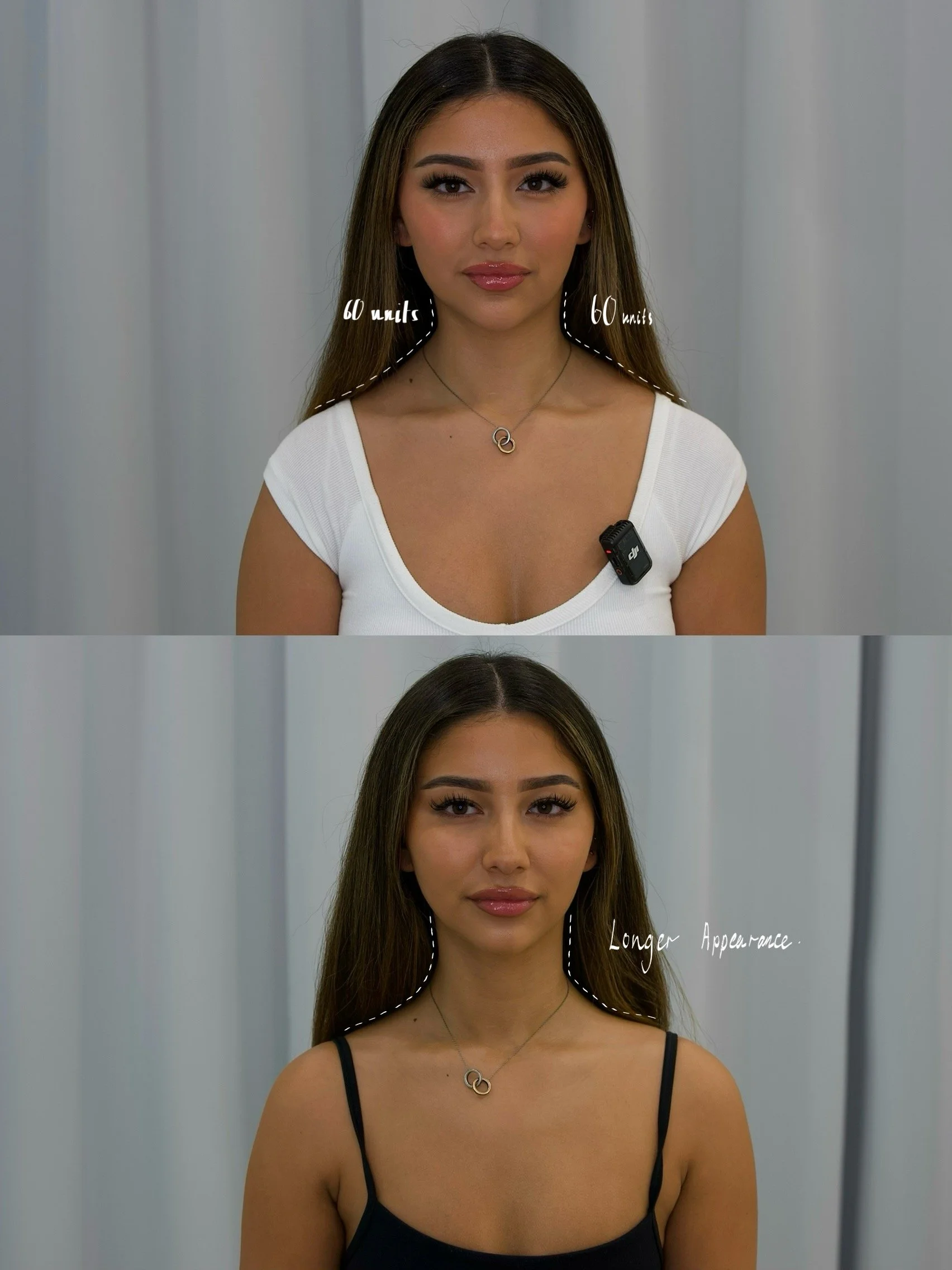
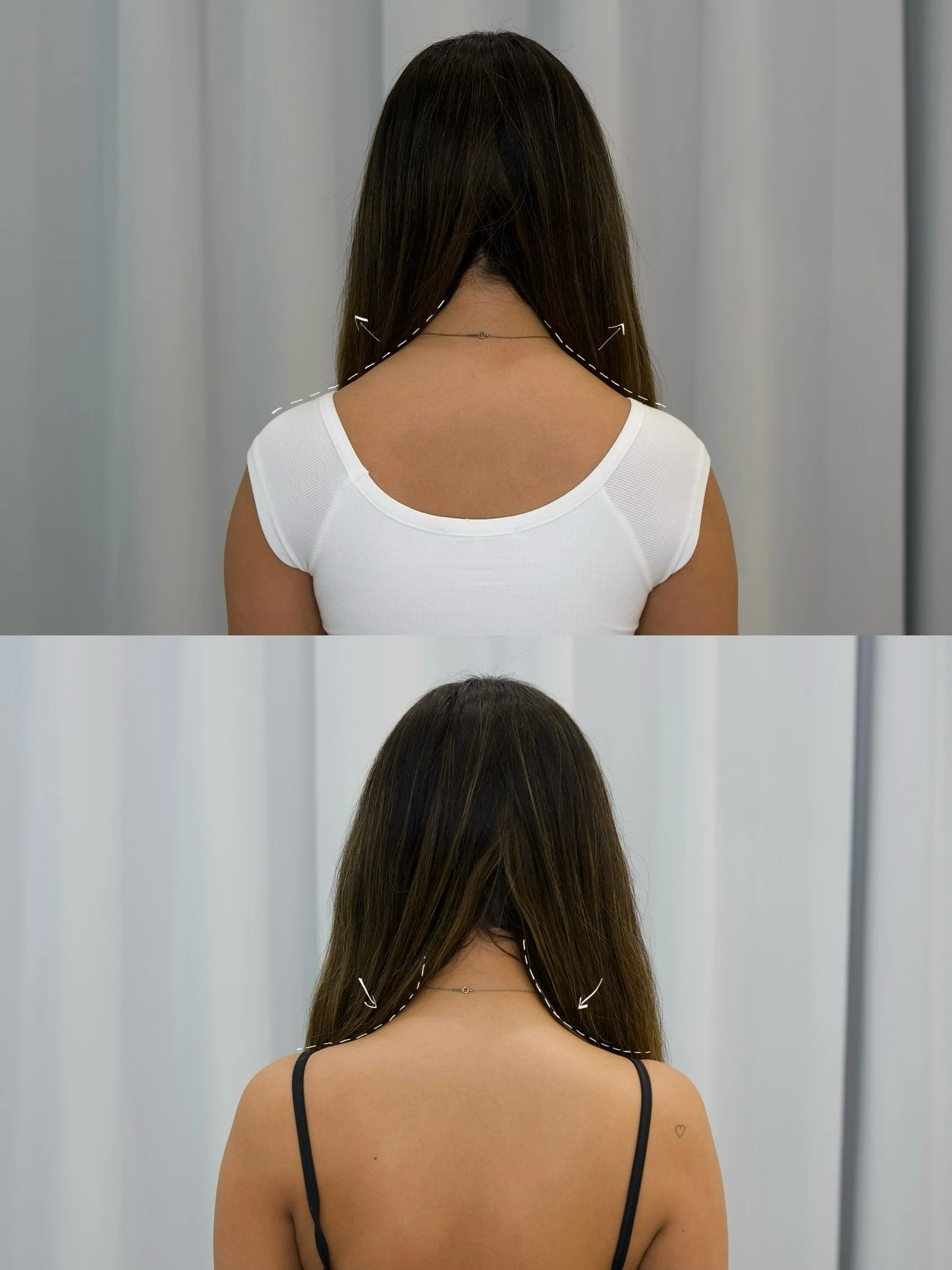
Trap Injections: Who’s a Good Candidate - and Who Isn’t
Injections in the trapezius (traps) can help relax overactive muscles, reduce shoulder tension, and create a softer, more refined neck-to-shoulder line. However, not everyone is a suitable candidate. Knowing who benefits - and who should avoid it - is essential.
Good Candidates
Trap Botox may help individuals who:
Have bulky or overactive trapezius muscles
Experience chronic neck or shoulder tension
Carry shoulders in a raised or tight position
Seek a smoother, longer-looking neck and shoulder line
Have tension not relieved by posture correction, physio, or stretching
Experience stress-related shoulder tightness
Have asymmetrical shoulders due to dominant traps
Not Good Candidates
Trap Botox may not be safe or effective for those who:
Are pregnant or breastfeeding
Have neuromuscular disorders (e.g., myasthenia gravis)
Are allergic to Botox
Have active infection at the injection site
Rely heavily on trap strength for work or sports
Have severe shoulder instability or recent shoulder/neck surgery
Take medications affecting neuromuscular function
Have unrealistic cosmetic expectations


Key takeaway:
Trap Injections works best for those with overactive or bulky traps causing tension or aesthetic concerns - but it’s not suitable for everyone. A qualified medical practitioner should assess your posture, muscle function, and goals before treatment.
Disclaimer
This blog is intended for educational purposes only and does not constitute medical advice. Any cosmetic procedure should be discussed thoroughly with a qualified healthcare provider to determine what is appropriate for your individual circumstances. Outcomes and experiences may vary.
Traps Case Studies