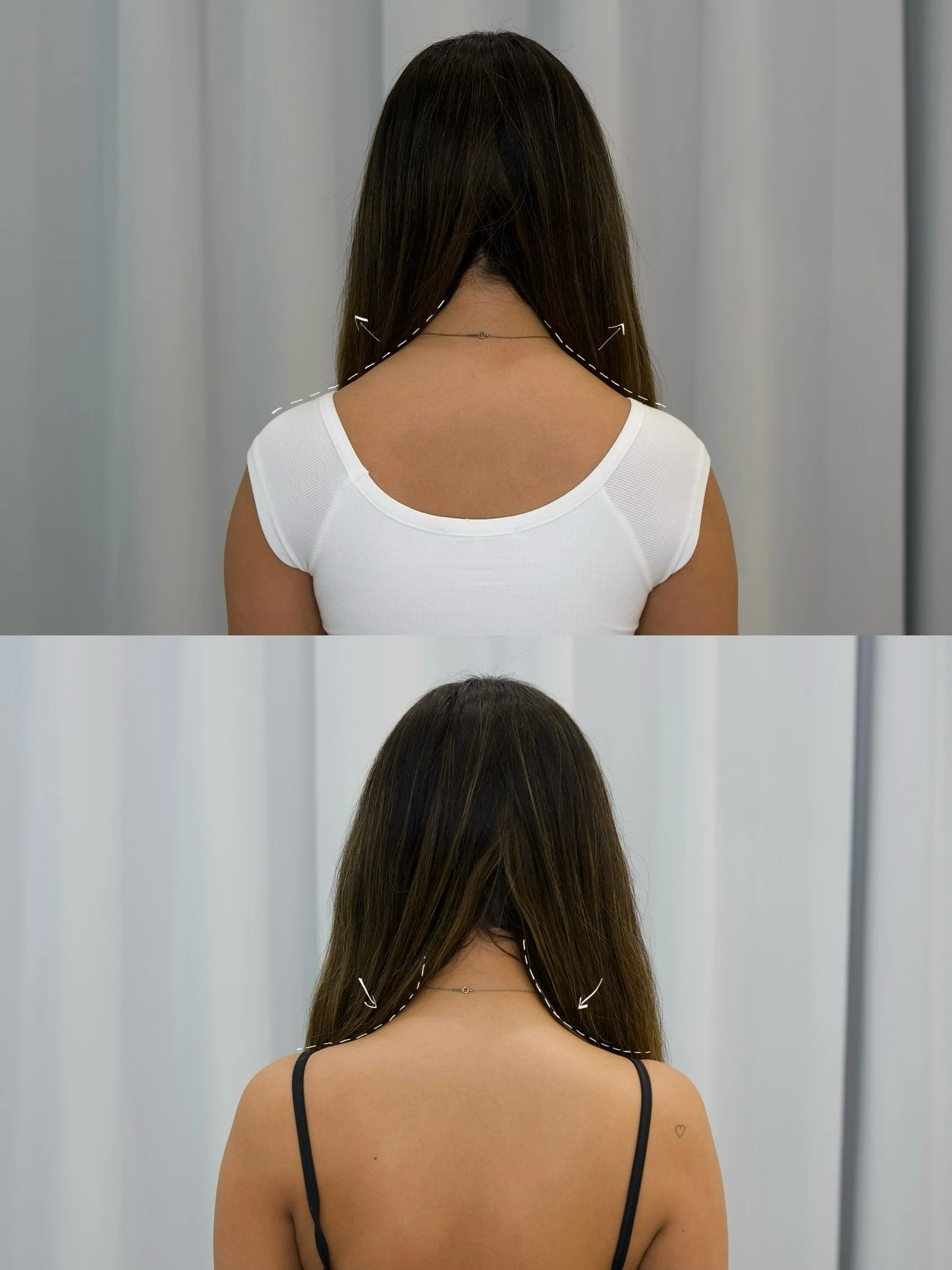
Trap muscle injections - what side effects can happen?
Injections in the trapezius is generally well-tolerated, but like any medical procedure it can have side effects. These are usually mild and temporary, but it’s important to know the possibilities.
Common, mild side effects
Soreness or bruising at injection sites
Tightness or heaviness in the shoulders for a few days when the medication kicks in
Temporary weakness when shrugging or lifting objects overhead
Neck stiffness as the area adjusts
Less common side effects
Shoulder fatigue during activities that rely on upper-trap strength
Feeling of reduced support around the neck/shoulder area
Rare but possible side effects
Neck instability if too much muscle is relaxed
Altered posture (usually temporary while other muscles adapt)
Difficulty holding heavy bags or weights
Spread of toxin causing unintended muscle weakness (very rare)
When to be cautious
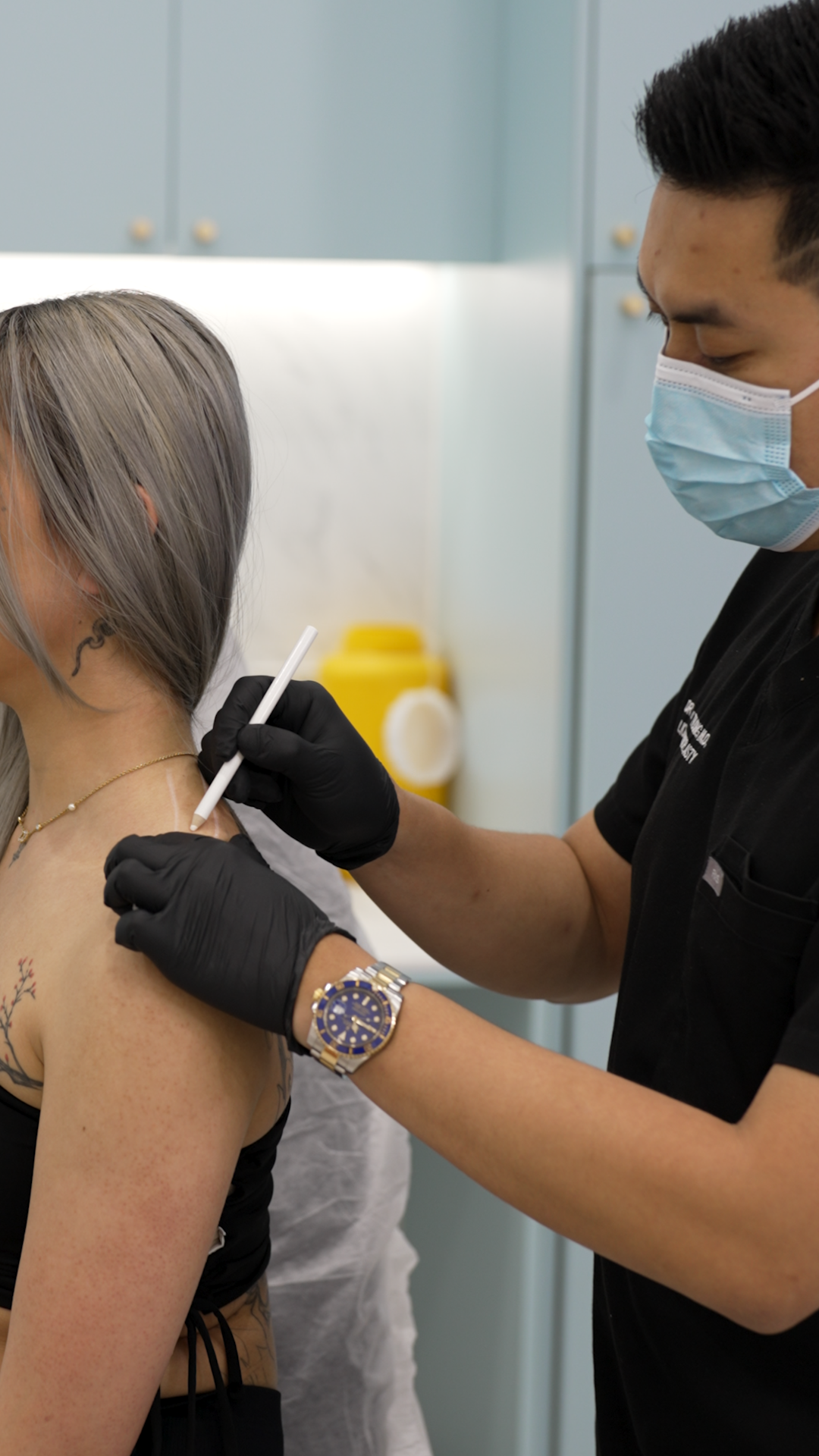
Botox should be administered by an experienced practitioner who understands shoulder biomechanics and dosing, especially because the trapezius plays a role in scapular stability and posture.
The best practitioners for treating the trapezius with Botox are those who understand both cosmetic goals and shoulder/neck anatomy. You want someone who can balance aesthetics with safe muscle function.
Disclaimer
This blog is intended for educational purposes only and does not constitute medical advice. Any cosmetic procedure should be discussed thoroughly with a qualified healthcare provider to determine what is appropriate for your individual circumstances. Outcomes and experiences may vary.
Traps Case Studies