
A Guide to Facial Areas for Wrinkle Reduction Injections
Wrinkle reduction injections are a versatile clinical tool used to manage lines, muscle tension, and certain physical conditions across the face and body. By precisely targeting muscles responsible for repetitive movements or overactivity, these treatments can soften skin creases and address functional concerns.
Because every individual is different, the approach must be tailored to your specific anatomy and clinical needs. Below is an educational guide to the common regions where these injections are utilized.
1. The Upper Face: Managing Expression and Position
The upper face contains highly active muscles used in daily expression. This is the most common region for clinical management.
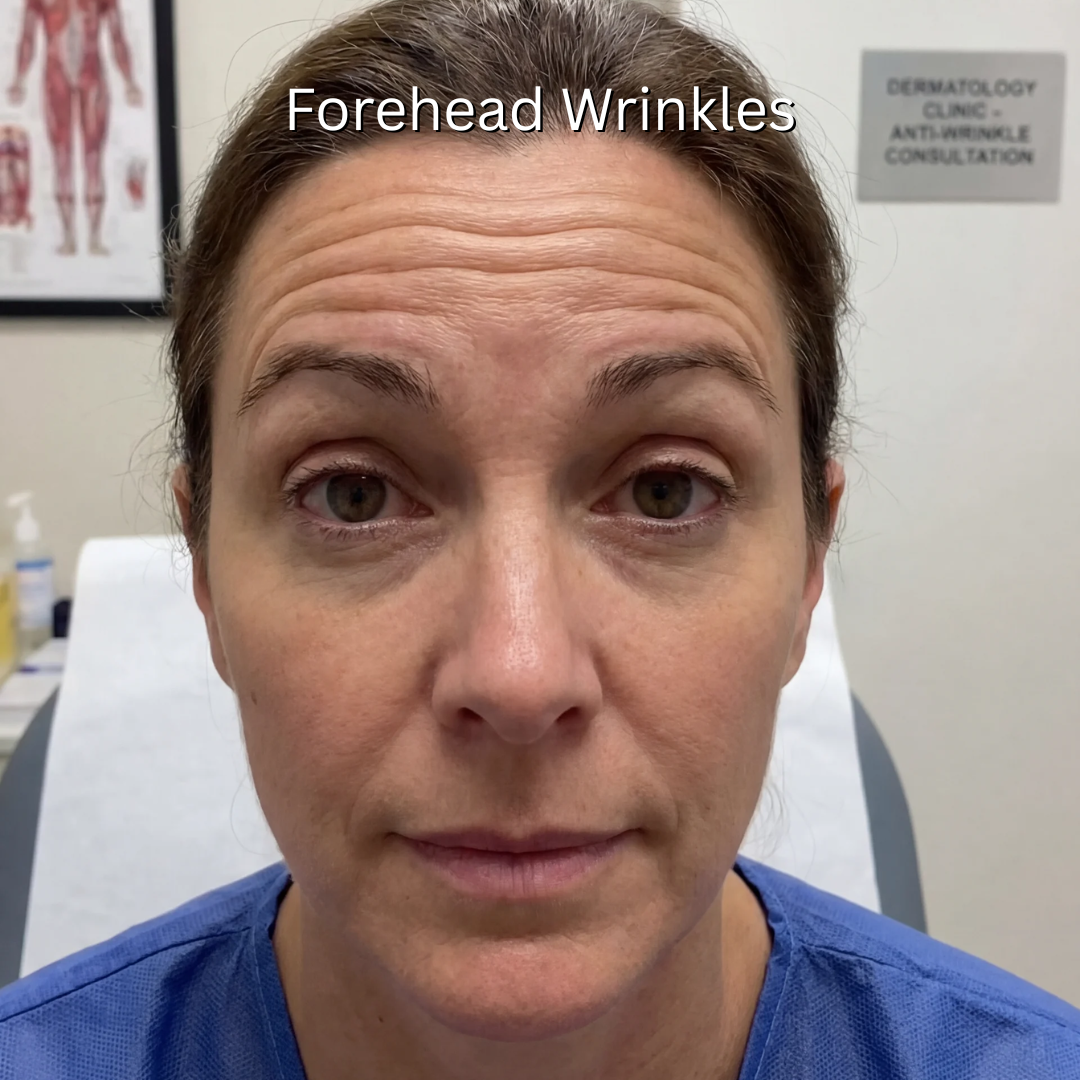
Horizontal Forehead Lines: These lines appear when you raise your eyebrows. Treatment focuses on softening these creases while ensuring you can still lift your brows naturally.
The Frown Lines: Vertical creases between the eyebrows can often convey a stressed or tired look. Reducing muscle activity here help open up the eye area.
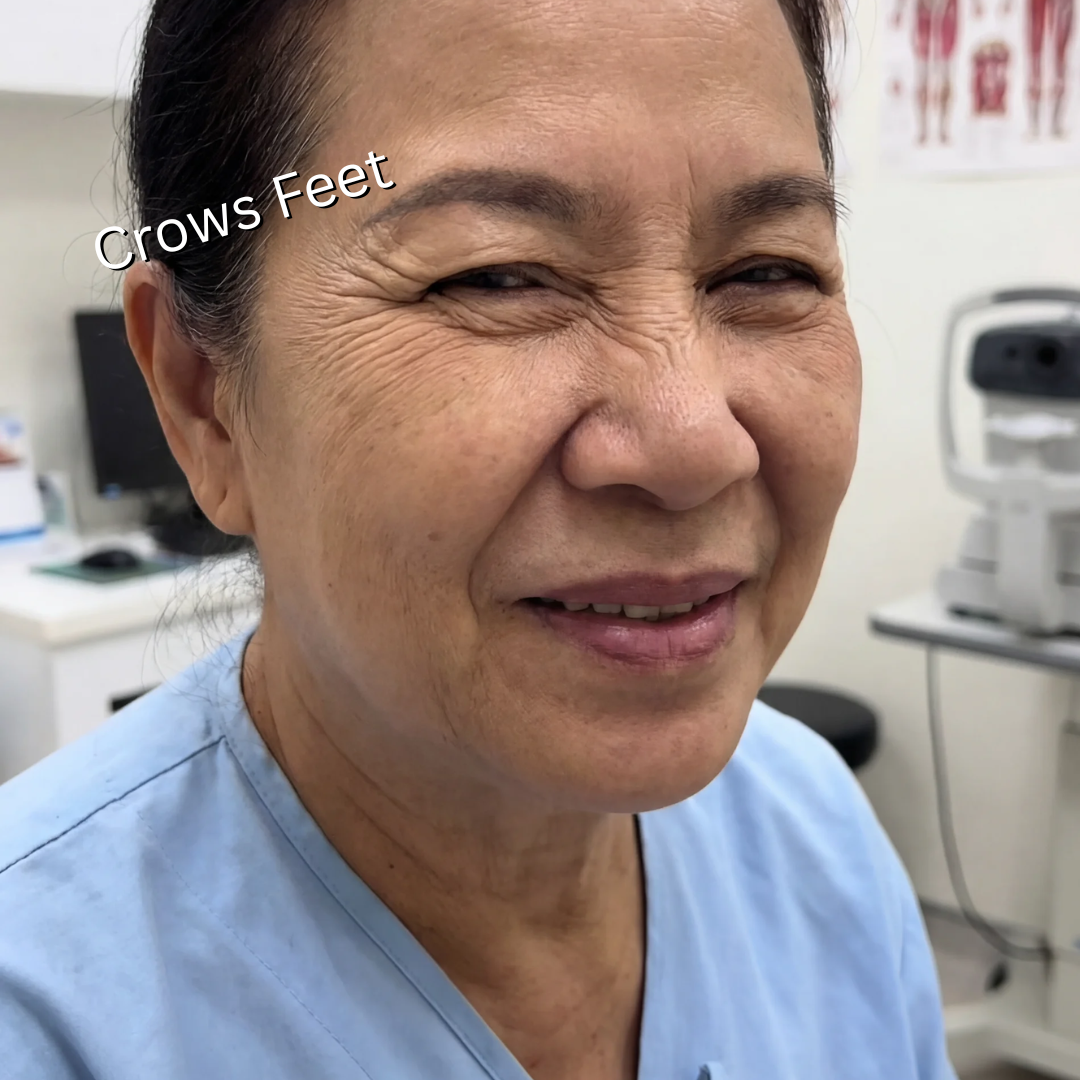
Crow’s Feet: These fine lines fan out from the corners of the eyes during smiling or squinting. Injections here aim to smooth the skin without affecting the natural lift of the cheeks.
Chemical Brow Lift: By precisely relaxing the muscles that pull the eyebrows downward, a practitioner can achieve a subtle, temporary lift of the brow line, creating a more open appearance around the eyes.
2. The Mid-Face and Lower Face
Treating the lower face requires a high level of anatomical expertise to maintain functional movements like eating and speaking.
The Masseters (Jaw Muscles): Injections into the masseter muscles are often used to address teeth grinding or clenching. A common secondary result is a softening of the jawline's appearance.
Jowls and Jawline: While jowls are often caused by skin laxity, certain muscle groups can pull the lower face downward. Strategic injections can help reduce this downward pull to support the jawline area.
Dimpled Chin: Some people experience a pebbled appearance on the chin due to an overactive muscle. Relaxing this area can smooth the skin's texture.
Gummy Smile: If you feel too much of your gum line is visible when you smile, injections can slightly relax the muscle that lifts the upper lip for a more balanced look.
3. Advanced Neck and Body Treatments
Beyond the face, wrinkle reduction injections are used to manage muscle bands in the neck and tension in the shoulders.
Platysmal Bands: These are the vertical cords that appear in the neck when you strain or speak. Relaxing these bands can result in a smoother neck profile.
Nefertiti Neck Lift: This technique involves a series of injections along the lower jawline and the platysma muscles in the neck. The goal is to reduce the downward pull of these muscles, helping to redefine the jawline and improve the appearance of the neck.
Trapezius Muscles: Often referred to as "Traps Botox" in common language, injections here are used to manage tension and discomfort in the upper shoulders and neck. A secondary result can be a more elongated appearance of the neck line.
4. Management of Hyperhydrosis (Excessive Sweating)
Wrinkle reduction injections are also a clinically proven method for managing hyperhydrosis, a condition characterized by excessive sweating that is not always related to heat or exercise.
Underarms (Armpits): This is a frequent area of treatment for those seeking to reduce significant moisture and discomfort in the underarm area.
Hands and Feet: Injections can also be utilized in the palms of the hands and the soles of the feet to manage excessive perspiration where topical antiperspirants may have failed.
The Importance of Clinical Accuracy
Successful management of these areas depends on a deep understanding of muscle interactions. If one muscle group is relaxed, others may compensate, which is why a comprehensive assessment is essential.
At TT Aesthetics in Docklands Melbourne, we conduct a detailed evaluation of your unique muscle strength and skin quality. By mapping your specific anatomy, we can discuss a plan that respects your natural proportions and functional needs. This ensures the result is a naturally refreshed version of yourself.
Note: This information is for educational purposes only and does not constitute medical advice. All medical procedures carry risks, including bruising, swelling, or more serious complications. Clinical suitability must be determined through a private, one-on-one assessment and informed consent.
References
Sharma, M., et al. (2024). Secondary Masseter Hypertrophy and Occlusal Imbalance: A Clinical Review of TMJD and Facial Asymmetry. Journal of Oral Health and Aesthetic Management.
Wu, Y., Zeng, D., & Wu, S. (2023). Botulinum Toxin Type A for the Treatment of Masseter Muscle Prominence in Asian Populations. Aesthetic Surgery Journal Open Forum, 5, ojad005.
