
Understanding Dosages and Units for Wrinkle Reduction Injections
When researching wrinkle reduction treatments, one of the most common questions is how many "units" are required for specific areas. While it is helpful to understand the general framework of how these treatments are measured, the most important factor to remember is that clinical dosages are never one size fits all.
At TT Aesthetics, we believe that professional healthcare should focus on the result and the individual’s anatomy, not just a number on a syringe. Below is a general guide to how units are typically distributed across the face and why a personalized approach is essential.
Why Do Dosages Vary Between Individuals?
No two faces are the same. Several factors influence exactly how much product is required to achieve a refreshed, natural look:
Muscle Strength: Some individuals have very strong facial muscles that require a higher dosage to relax effectively, while others have finer muscles that need only a small amount.
Gender: On average, men often have larger muscle mass in the face and typically require higher dosages than women to achieve the same clinical result.
Age and Skin Quality: As skin becomes thinner or loses elasticity, the way it responds to muscle relaxation changes.
Anatomical Goals: Someone seeking a very subtle softening of lines will require a different dosage than someone looking for a more significant reduction in movement.
General Guide to Common Treatment Areas
The following table provides a broad clinical range of the units typically required for different areas. These numbers are an industry average and are used here for educational purposes to show how different muscle groups and conditions require different levels of attention.
| Treatment Area | Typical Range | Primary Goal |
|---|---|---|
| Frown Lines | 15 to 25 Units | Softening vertical lines between the brows. |
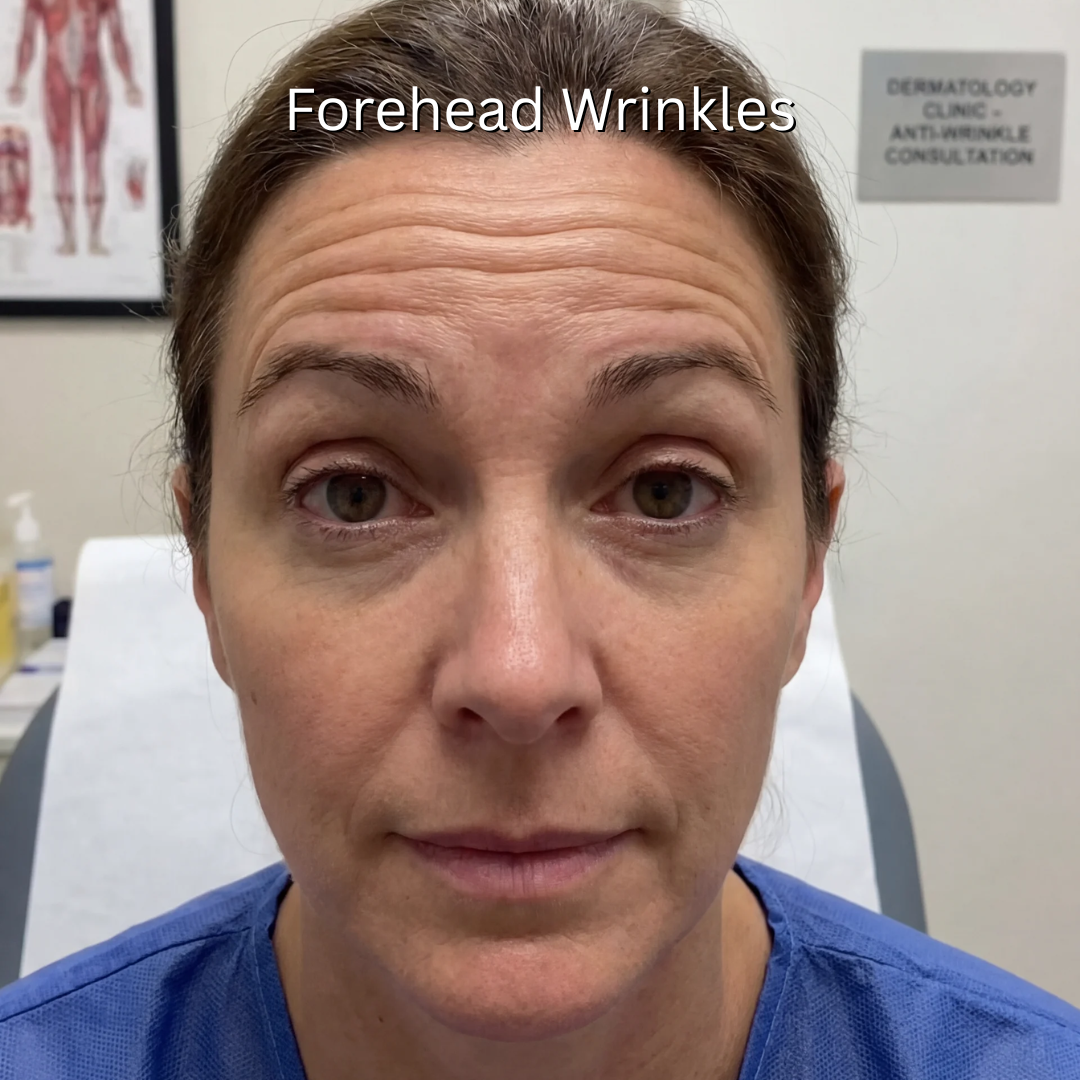
| Forehead Lines | 5 to 15 Units | Smoothing horizontal lines while maintaining brow position. |
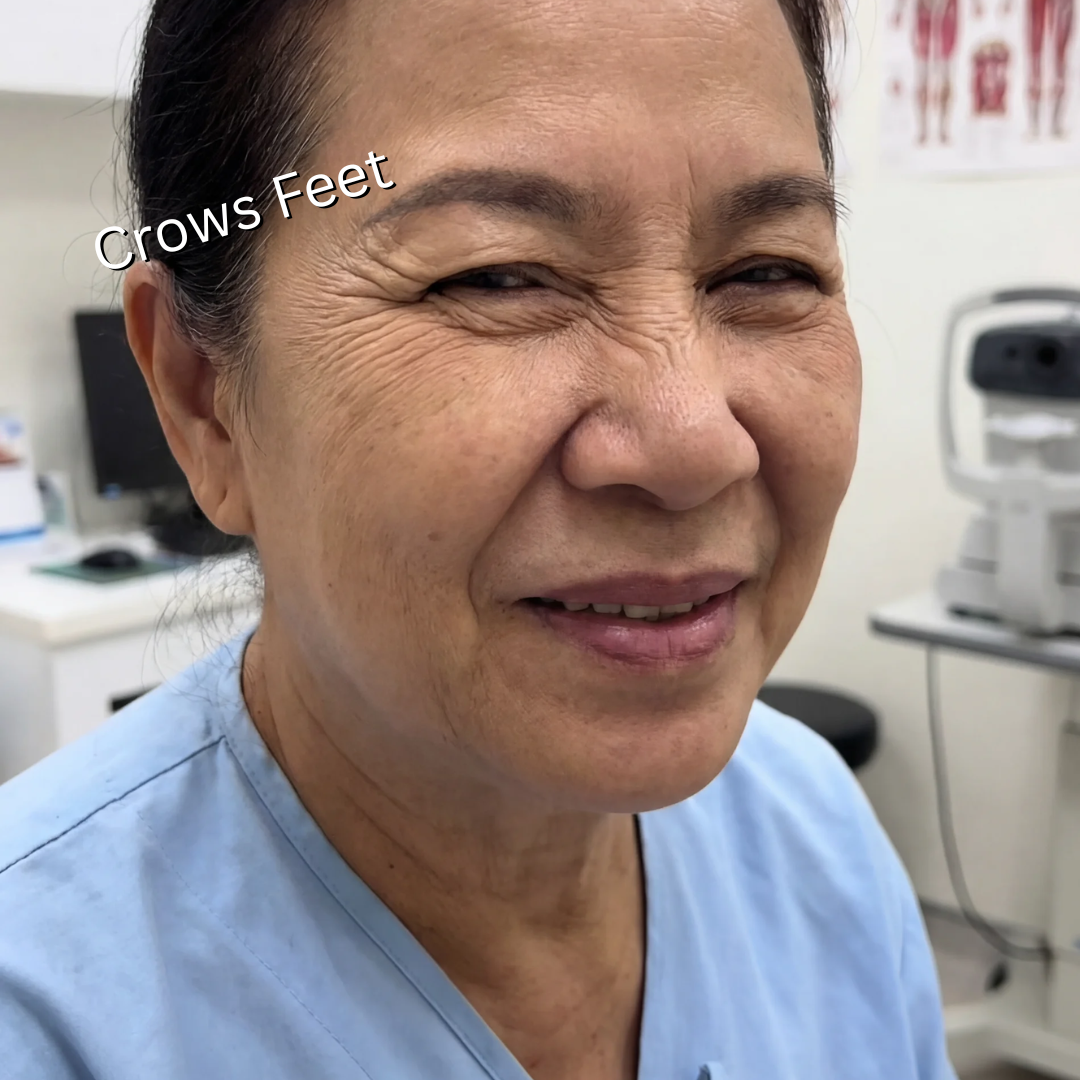
| Crow’s Feet | 6 to 15 Units (per side) | Softening the fine lines around the outer eyes. |
| Masseters (Jawline) | 20 to 50 Units (per side) | Addressing jaw clenching and softening the jaw profile. |
| Brow Lift | 2 to 5 Units (per side) | Creating a subtle, temporary lift of the eyebrow tail. |
| Jowls (Jawline Support) | 5 to 10 Units (per side) | Reducing downward muscle pull to support the lower face. |
| Nefertiti Neck Lift | 15 to 30 Units (per side) | Redefining the jawline and smoothing the neck area. |
| Neck (Platysmal Bands) | 20 to 50 Units | Softening vertical cords for a smoother neck profile. |
| Trapezius Muscles | 30 to 50 Units (per side) | Relieving tension and softening the shoulder line. |
| Hyperhidrosis (Armpits) | 50 Units (per side) | Reducing excessive perspiration in the underarm area. |
| Hyperhidrosis (Hands) | 50 Units (per side) | Managing excessive sweating on the palms. |
| Hyperhidrosis (Feet) | 50 to 100 Units (per side) | Managing excessive sweating on the soles of the feet. |
The TT Aesthetics Difference: Fixed Price Service
Most clinics charge per unit, which can lead to confusion and unpredictable costs for the client. It also places the focus on the product rather than the clinical outcome.
At TT Aesthetics, we do things differently. We do not charge per unit. Instead, we offer a fixed price for our services.
We understand that every face and body is different. Whether an individual requires a small dose or a higher dose to achieve the desired result, the price remains the same. We believe that your healthcare provider should be free to use the exact amount your anatomy requires without you having to worry about fluctuating costs. This ensures that the focus remains entirely on achieving a safe, high quality, and natural looking result for your unique needs.
The Necessity of a Consultation
Because dosages are so personal, a face to face consultation is a mandatory part of our process. During this assessment, we map your muscle activity and discuss your specific health goals. This allows us to determine the exact clinical path required for you.
A professional assessment ensures that you receive the correct dosage for your muscle strength, avoiding the risks of both under treating or over treating an area.
Note: This information is for educational purposes only and is not medical advice. Clinical dosages must be determined by a registered healthcare provider through a private, one on one assessment. All medical procedures carry risks which will be discussed during your consultation.
References
Sharma, M., et al. (2024). Secondary Masseter Hypertrophy and Occlusal Imbalance: A Clinical Review of TMJD and Facial Asymmetry. Journal of Oral Health and Aesthetic Management.
Wu, Y., Zeng, D., & Wu, S. (2023). Botulinum Toxin Type A for the Treatment of Masseter Muscle Prominence in Asian Populations. Aesthetic Surgery Journal Open Forum, 5, ojad005.
