
Understanding Wrinkle Reduction Injections: A Clinical Guide to Softening Facial Lines
Noticing that fine lines or deeper creases are becoming more visible on your face? This is a common clinical concern as the skin’s natural support structures change over time. In many cases, these lines are primarily driven by muscle activity or the way we move our faces when we express ourselves.
Wrinkle reduction injections are one of the most frequently discussed clinical options for managing these lines. Below is an educational guide on how these treatments work, where they are typically used, and what a professional assessment involves.
1. How Do Wrinkle Reduction Injections Work?
Every time you smile, frown, or squint, your facial muscles contract and pull the skin into folds. In younger skin, these lines disappear immediately. However, over time, these repeated movements cause the skin to lose its "bounce back" ability. This leads to lines that stay visible even when your face is at rest.
Wrinkle reduction injections work by precisely targeting the specific muscles responsible for these folds. By reducing the force of the muscle contraction, the skin on top is allowed to remain smoother. The goal of modern clinical practice is to achieve a refreshed appearance while maintaining natural movement and expression.
2. Common Target Areas
While every management plan is unique to the individual's anatomy, wrinkle reduction injections are frequently used in the following regions:
The Forehead: Softening the horizontal lines that appear when you look surprised or raise your eyebrows.
The Frown: Addressing the vertical lines between the eyebrows that often convey a stressed or tired look.
Crow’s Feet: Managing the fine lines that fan out from the corners of the eyes during smiling or squinting.
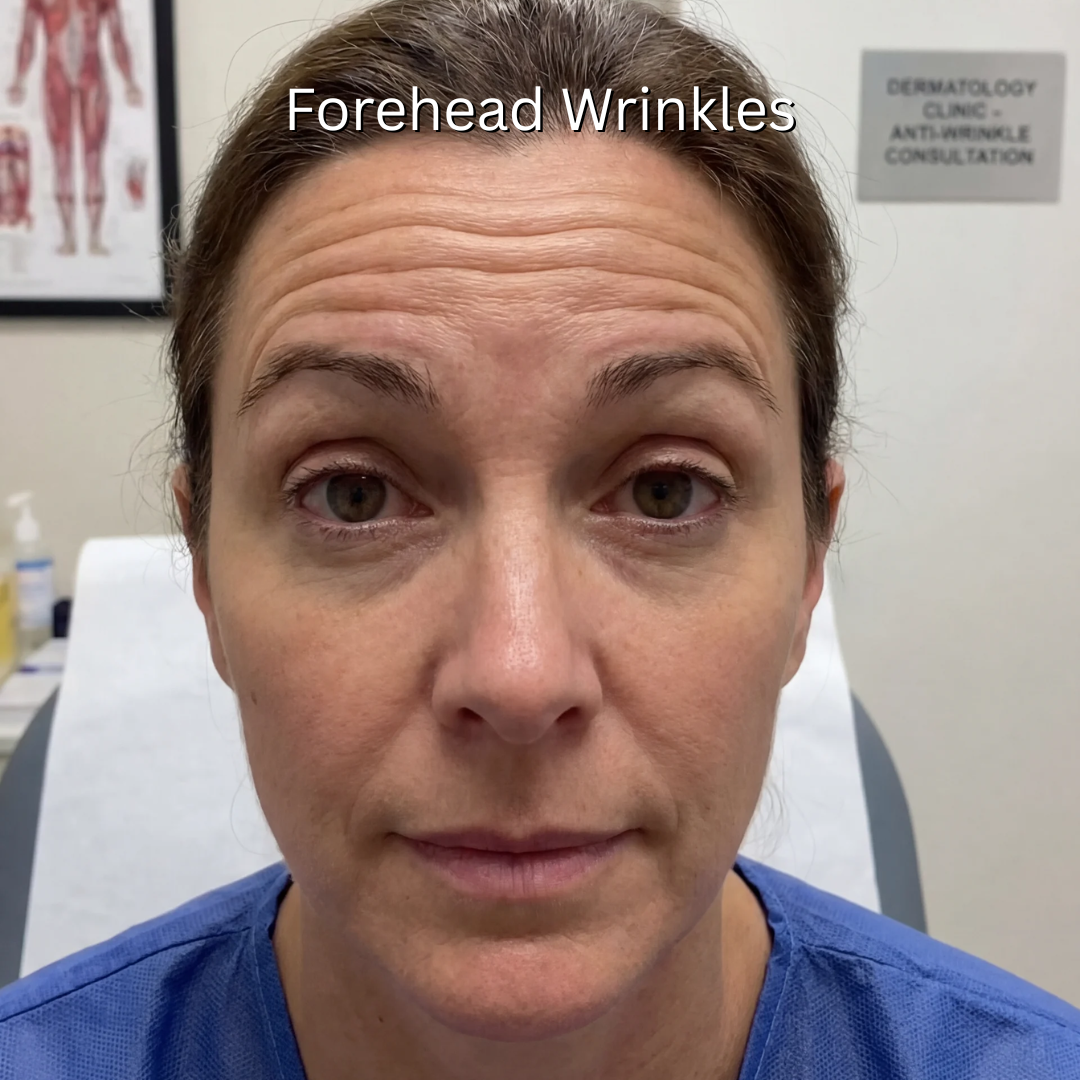
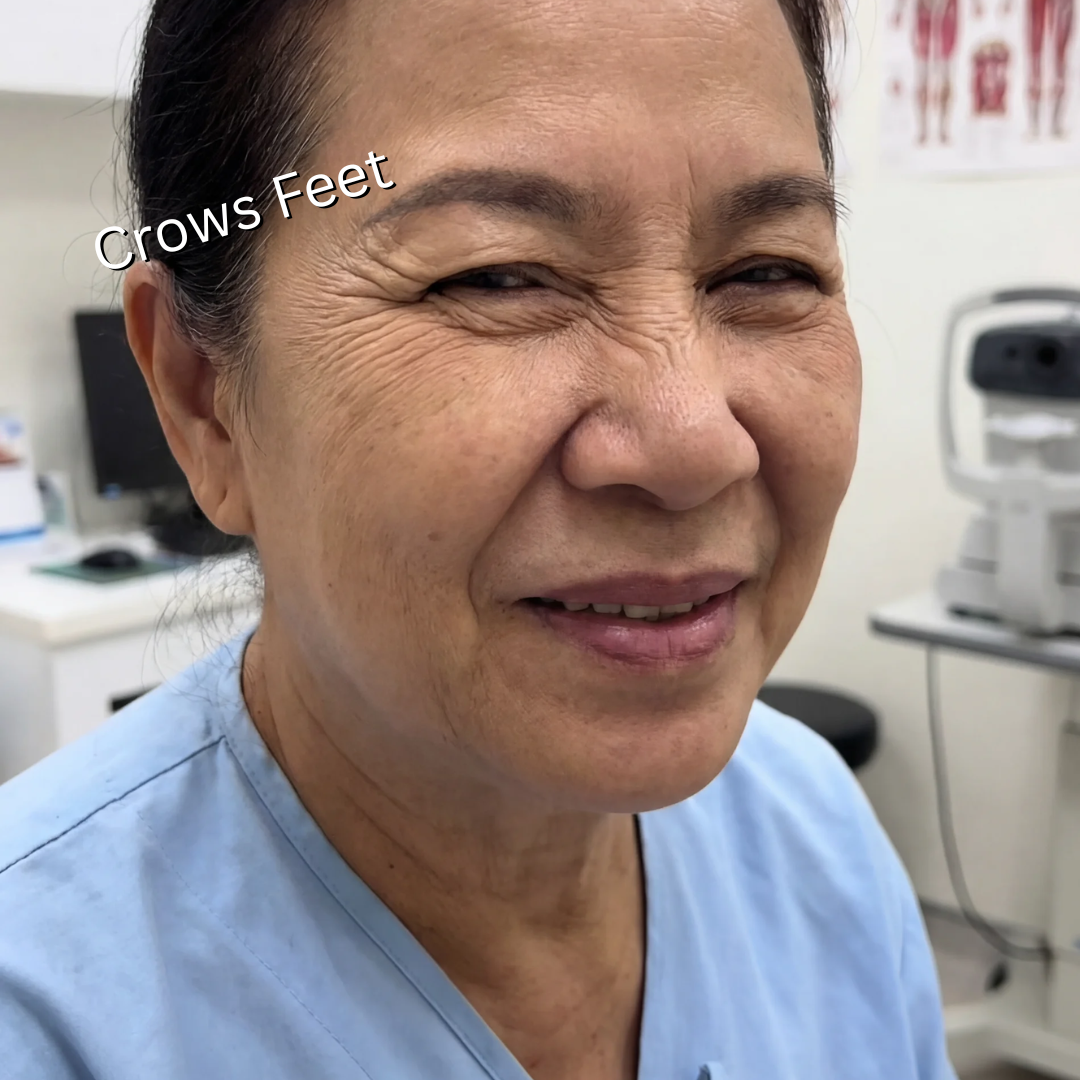
3. What to Expect: The Clinical Timeline
It is important to understand that results from wrinkle reduction injections are not instantaneous. The biological process of muscle relaxation takes time to settle.
The First Few Days: You will likely not see any change immediately after leaving the clinic.
Initial Results: Most people begin to notice a softening of movement within 2 to 5 days.
Full Effect: The final clinical result is typically reached at around 14 days.
The Importance of Clinical Precision
Successful management of facial lines is as much about understanding anatomy as it is about the treatment itself. A one size fits all approach can lead to an unnatural appearance or a "frozen" look.
At TT Aesthetics in Docklands Melbourne, the focus is on a detailed evaluation of your unique facial muscle strength and skin quality. By mapping your specific movements, we can discuss a plan that respects your natural proportions. This ensures that the result is a naturally refreshed version of yourself rather than a change in your fundamental appearance.
When to Seek Professional Advice
If you are noticing new lines or if persistent creases are affecting your confidence, a consultation is the appropriate first step. A registered healthcare provider can explain the science of wrinkle reduction injections and determine if they are a suitable option for your specific skin health goals.
Note: This information is for education only and is not medical advice. All medical procedures carry some risks, which we will discuss with you during your private, one on one assessment.
INSERT Ph
