
Why Skin Looks Crepey and Dull Without a Single Wrinkle
Not all skin ageing shows up as wrinkles. Some people look in the mirror and see skin that's dull, rough, crepey, or just generally "off" without a single deep line. The texture has changed, the glow has gone, and the skin looks older than it should, even though there's nothing you can point to and say "that's the wrinkle."
This is a skin-quality problem, and it's different from the muscle-driven creases and structural volume loss that most people think of when they think about ageing.
What's Actually Happening in the Skin
Several things go wrong beneath the surface that show up as poor skin quality rather than distinct wrinkles.
Collagen decline is the foundation. From your mid-20s, collagen production drops by roughly one percent per year. Collagen is the protein that gives skin its firmness and structure. As it reduces, the skin becomes thinner, less resilient, and less able to reflect light evenly, which is what makes skin look dull.
Elastin damage is harder to reverse. Elastin is the protein that allows skin to stretch and snap back. Once damaged (primarily by UV exposure), it doesn't regenerate well. The result is skin that sags, crepes, and loses its bounce.
The skin barrier weakens. A compromised barrier lets moisture escape faster than it should, leading to chronic dehydration that makes the skin look papery and flat. It also makes the skin more reactive and prone to irritation.
Cell turnover slows down. Young skin sheds and replaces surface cells every 28 days or so. As you age, this process takes longer, which means dull, dead cells sit on the surface for longer, creating a rough, uneven texture and a muted complexion.
Pore structure changes. Reduced collagen and elastin around the pores causes them to appear larger and more irregular, contributing to an uneven, textured surface.
What Makes It Worse
Sun exposure is the single biggest accelerator of skin-quality decline. UV radiation breaks down collagen and elastin directly and impairs the skin's ability to repair itself. Years of unprotected sun exposure is the primary reason some people develop crepey, dull skin decades earlier than their genetics would dictate.
Smoking, poor nutrition, chronic dehydration, high stress, and inadequate sleep all compound the damage.
What Can Be Done
Prevention is always the most effective approach. Daily broad-spectrum SPF, a consistent skincare routine that includes a retinoid and antioxidant, adequate hydration, and not smoking will do more for skin quality over time than any single treatment.
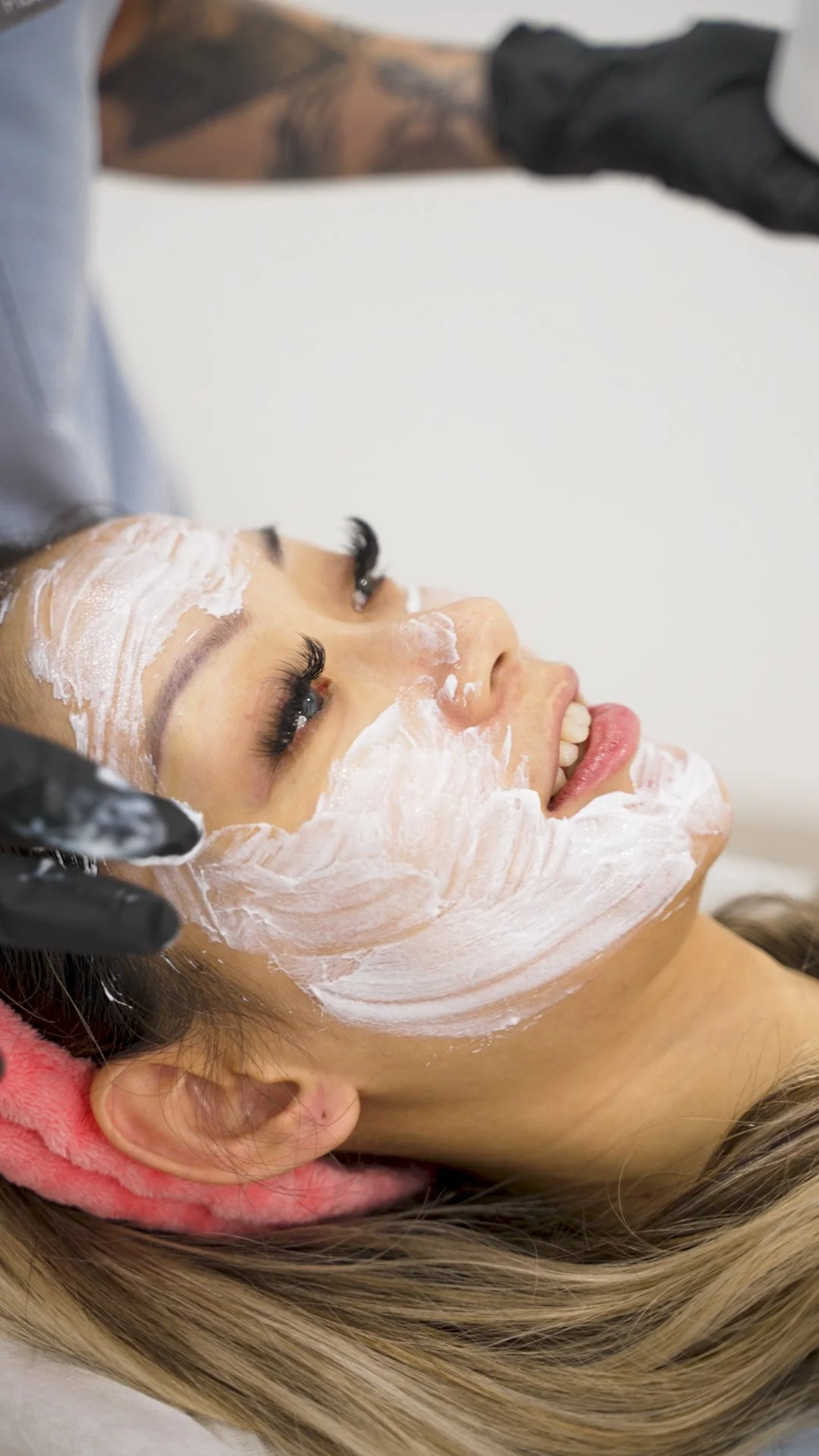
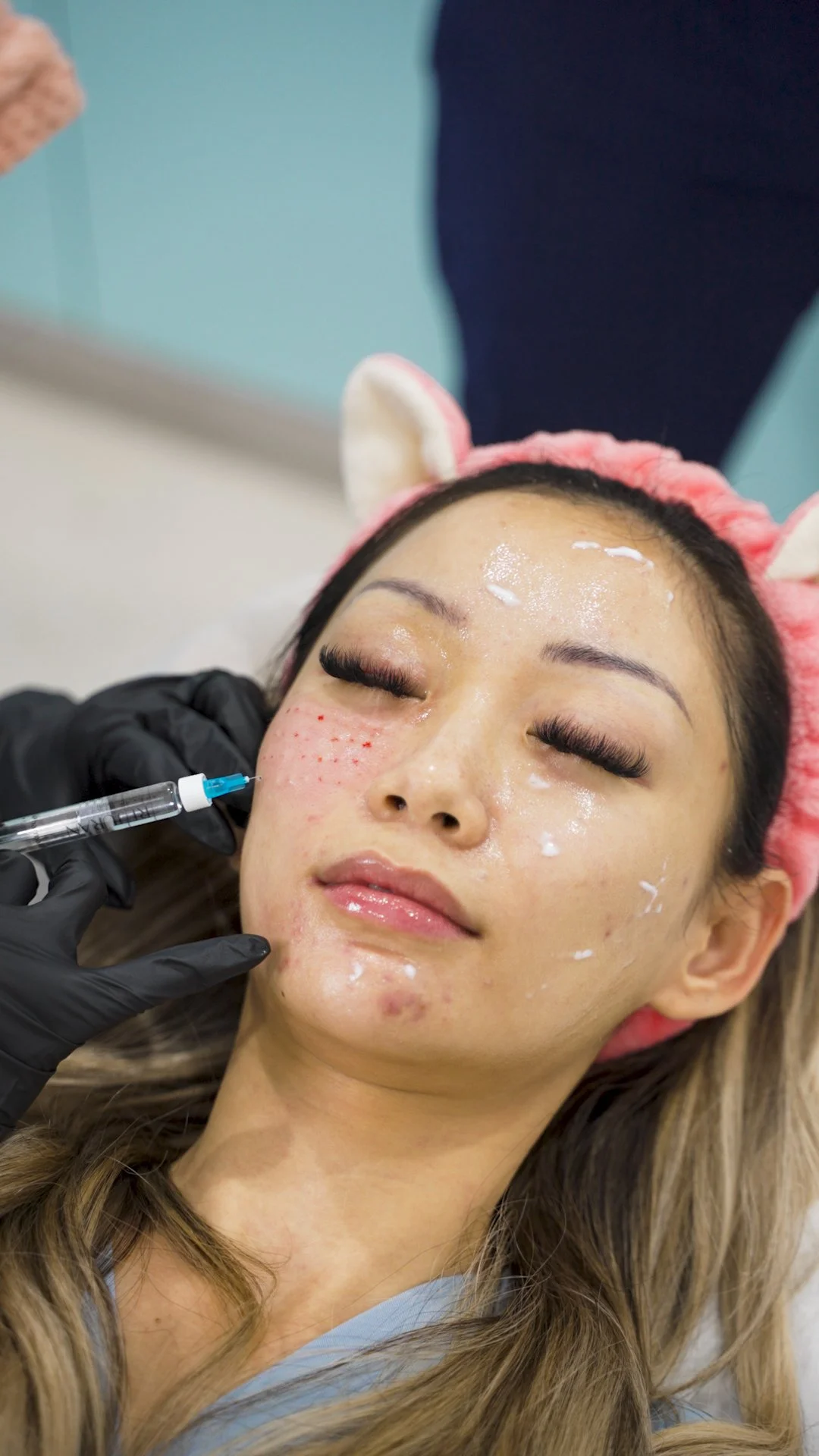
For skin that has already lost quality, there are treatment options that address different aspects of the problem. Polynucleotide treatments like Rejuran stimulate collagen production, reduce inflammation, and improve skin thickness and resilience from the inside. Microneedling creates controlled micro-injuries that trigger a healing response, improving texture and firmness. Skin boosters deliver deep hydration to improve plumpness and glow. Laser and radiofrequency treatments can resurface the skin and stimulate deeper collagen remodelling.
What These Treatments Will Not Do
No treatment can fully reverse decades of sun damage or restore the skin to its 20-year-old state. Improvement is the realistic goal, not perfection. Treatments can meaningfully improve texture, firmness, hydration, and glow, but they work within the biological limits of your skin.
Risks and Side Effects
Every treatment carries some risk. Injectable treatments like Rejuran may cause bumps, redness, swelling, or bruising. Microneedling can cause redness, sensitivity, and peeling. Your practitioner will discuss the specific risks relevant to the approach they recommend.
Who Should Be Cautious
People with active skin conditions (rosacea, eczema, psoriasis), active infections, a history of abnormal scarring, or sensitivity to specific treatment ingredients should discuss these with their practitioner before proceeding. Pregnant or breastfeeding individuals should delay elective skin treatments.
Alternatives
A dedicated skincare routine (SPF, retinoid, vitamin C, moisturiser) can improve skin quality meaningfully over time without any in-clinic treatment. Professional-grade facials and chemical peels offer a middle ground between home care and medical treatments. Doing nothing is also a valid choice. Crepey or dull skin is not a medical problem, and there is no obligation to treat it.
Individual results vary. Skin quality improvements depend on your starting point, your skin type, your lifestyle, and how consistently you maintain your results.
A consultation with a qualified practitioner is the best starting point. They can assess your individual situation, explain the risks and benefits, and help you decide whether treatment is appropriate for you.
TT Aesthetics in Docklands, Melbourne offers skin-quality consultations and treatments including Rejuran. Our practitioners assess your skin's condition and discuss all appropriate options, including whether treatment is necessary at all.
This content is intended for educational purposes and does not constitute medical advice or a recommendation for treatment. Only licensed healthcare providers should perform injectable procedures.
